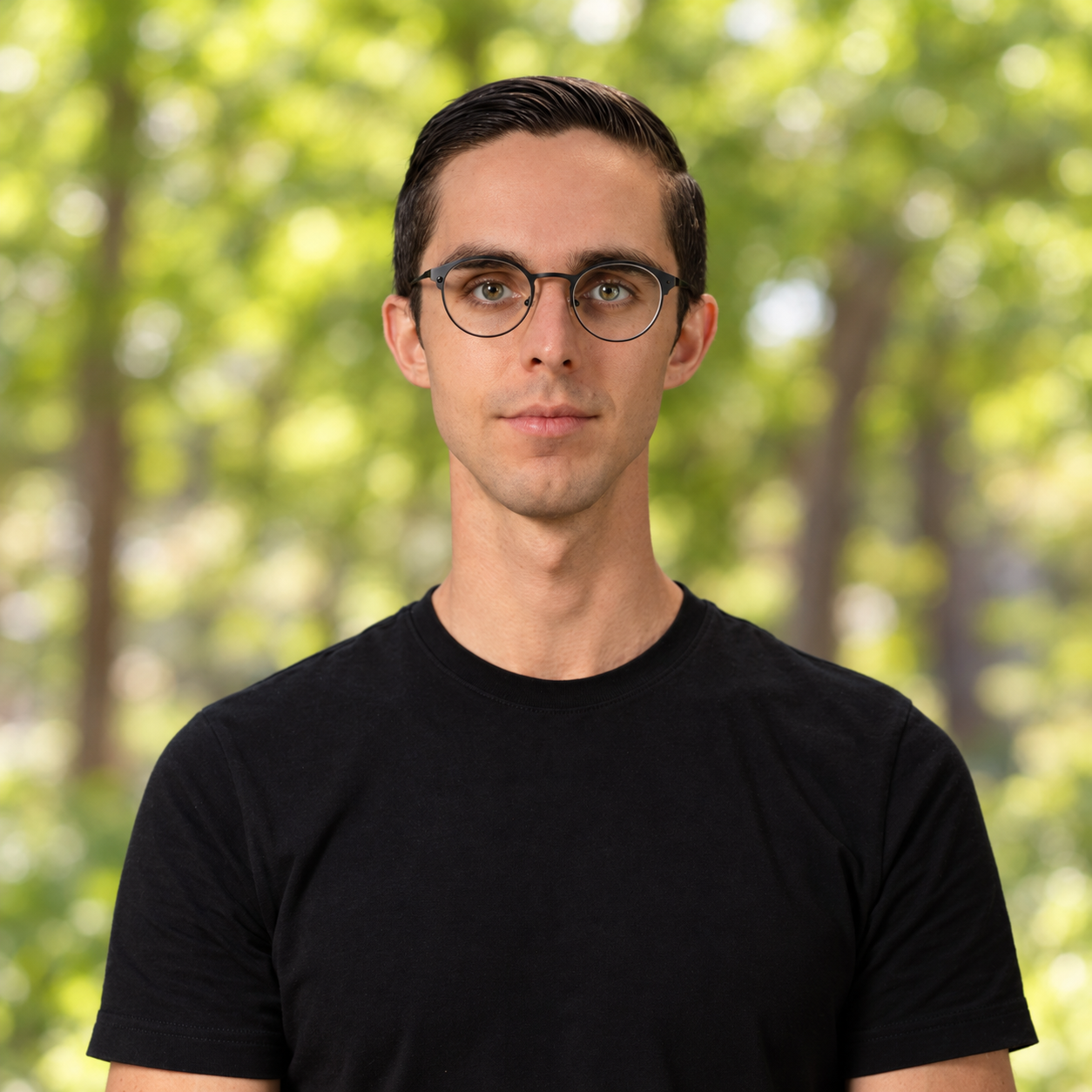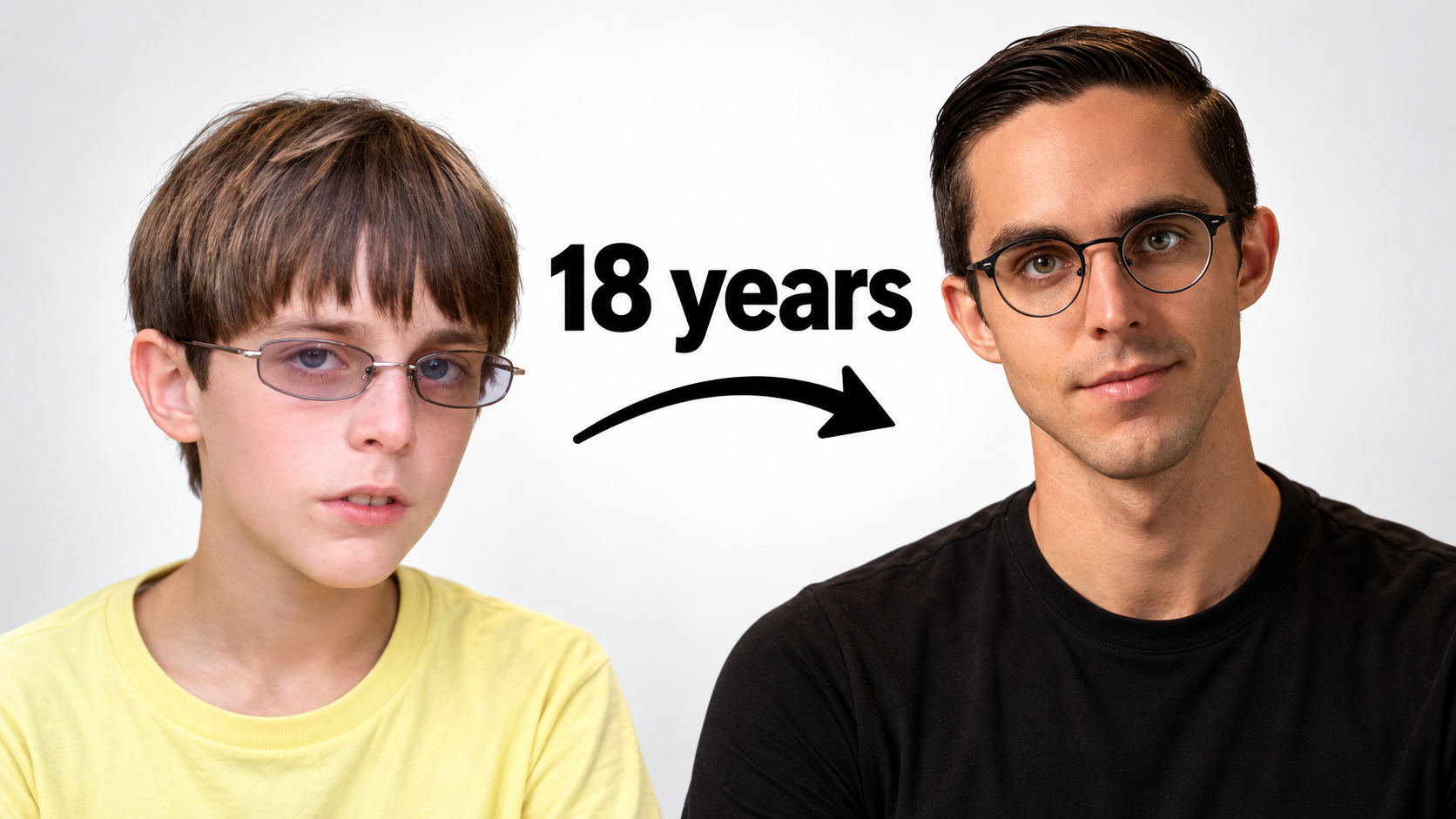
By Micah Buller
The first time I noticed something was wrong, I was ten years old, looking at a shed I had looked at a hundred times before.
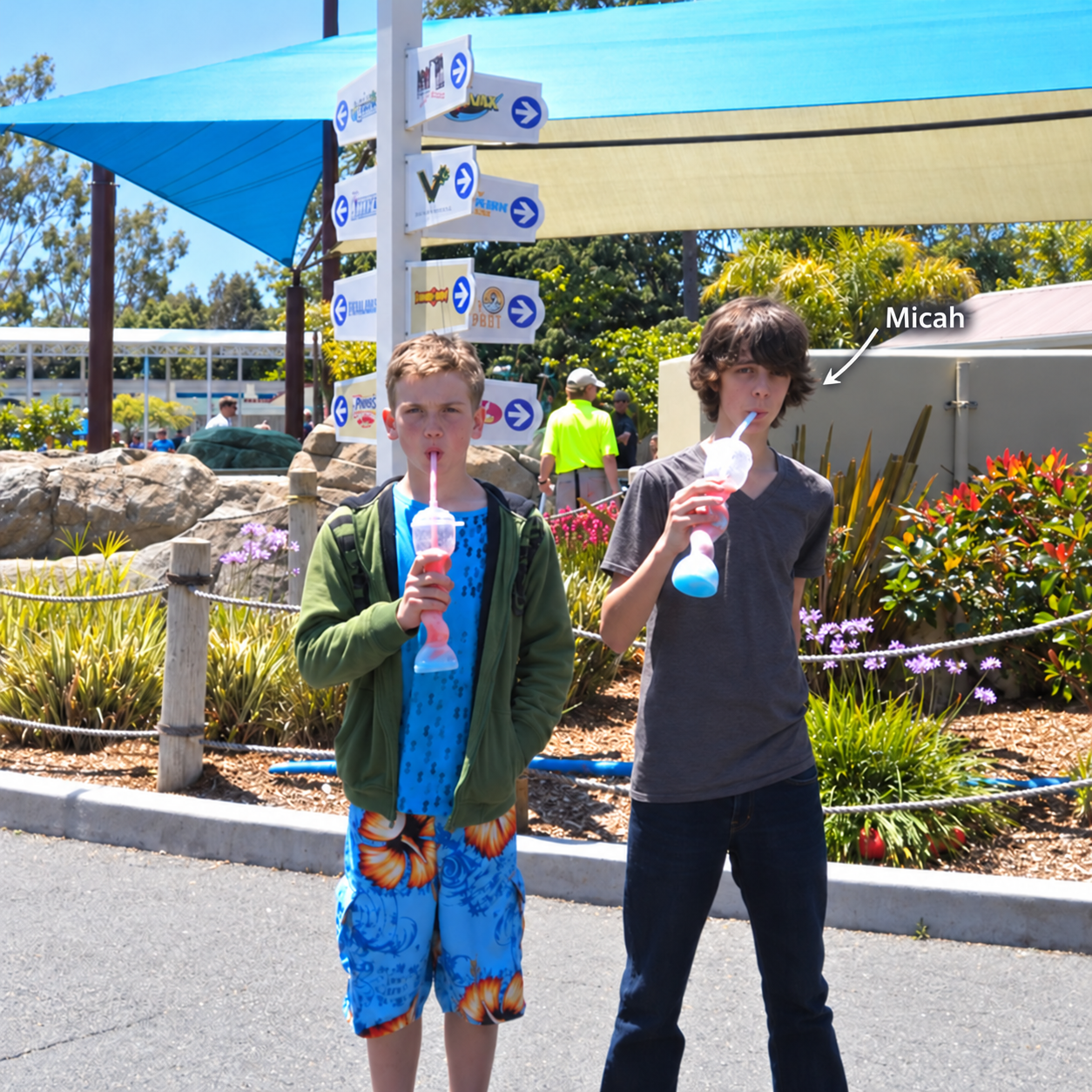
I'd line up cans on the roof and pick them off with a BB gun. I also had a computer, and on it I had an MMORPG, which, for those that don't know, is a massive multiplayer online role-playing game. One day I sat down at that computer and didn't get up for eight hours.
When I finally walked outside, something was off.
Same trees. Same shed. But somebody had turned the dial down on life. Nothing out there had changed. Something in me had.
I have words for it now. Dopamine. Depletion. It still happens sometimes. I scroll for an hour, look up, and things don't look as good.
I was raised by my mom, Leisa. My dad wasn't in the picture, and she worked constantly to keep us afloat. She's the hero of this story, but as a kid I only saw a house that didn't have what other houses had.
I wasn't doing well academically, so I didn't pass the fifth grade. Which I guess makes me the most experienced fifth grader you'll ever meet.
So when I finally went to high school it was going to be the reset. I went to Milo Adventist Academy in Oregon, and freshman year I pulled it off. Class president. Lots of friends. Good grades. Then I drifted, and got kicked out. I landed at Monterey Bay Academy on the Central Coast of California.
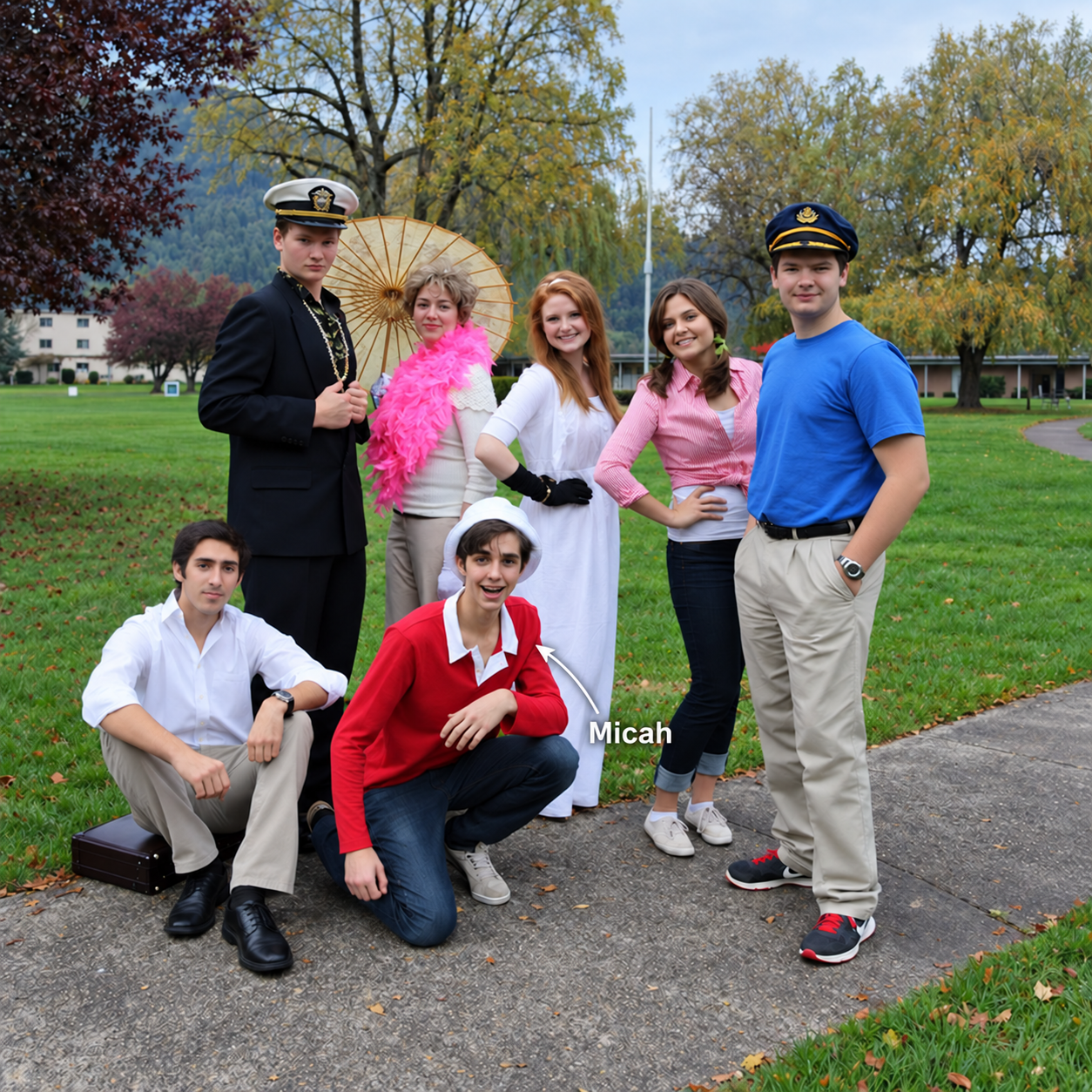
Monterey Bay Academy sits right on the ocean. Waves, sunsets, bonfires, kids laughing in big groups, living the exact life I'd been dreaming about.
I spent a lot of it in my room, watching shows. Depression isn't always sad. Sometimes it's just a closed door.
There's one night I kept coming back to. A bonfire on the beach, all my friends in a circle, laughing, and me thinking: I should say something. I built the sentence. I said it.
Nothing.
The conversation closed over the spot where my words had been. Had they not heard me, or had they decided it wasn't worth a response? My brain, not being helpful, picked the second one and spiraled. What if they only tolerate me? What if I'm not supposed to be here at all?
That night came with me everywhere for years. And extended into many of my future friendships in a very similar way.
College was the same movie with older actors, and my grades sat at a C with real effort. Then I signed up for a mission year.
So picture me on Kosrae, an island in Micronesia with four thousand people on it. I never counted. Every morning I'd drive the island end to end picking up kids for school. And every morning I woke up with a knot in my stomach: Is this how I'm going to feel for the rest of my life? I was teaching those kids about God, and if you'd asked me why, I couldn't have told you.

My roommate, the only other person out there with me, was struggling worse. He told me he'd had thoughts about ending his life. It scared me, because we were both standing near the same edge, with no help for a few thousand miles of ocean in any direction.
My older brother Jesse had volunteered at the Nedley Depression and Anxiety Recovery Program, where his wife, Jill, used to work. He said I should look into it. I never even looked at the website. Then on a later call he said the word massages, and honestly, that's when I was sold. I had no money, so he offered to pay. It wasn't cheap, and nobody had ever bought me something like that. I told him other people needed it more than me.
"Dude. That's not what this is about."
That thought, the other people need it more thought, was exactly what the program exists to fix.
Summer of 2019 I attended the residential Nedley Depression and Anxiety Recovery Program for ten days. I put on my A-plus student hat, which, if you've been paying attention, is a hat I had hardly worn.
Most of what I believed about myself wasn't true. It was distorted thought, and I'd collected the full catalog. In one of the group breakout sessions I was asked what I learned, to which I replied, "If my mind is a house that I have to live in all the time, why wouldn't I want it clean?"
I thought back to the bonfire. Ten years I'd carried it as proof I didn't belong. Why was I at the bonfire? Because they invited me. Why did they invite me? Because they liked me. I'd mumbled a joke into the wind and nobody heard it. I'd built a decade of loneliness on top of my friends just not hearing me over all the other noise that was happening.
I learned what eight hours of gaming does to my brain's reward system. I learned hot and cold therapy, now one of my favorite things in the world. Getting into that cold water is a small daily proof that I can do hard things.

Then there was Pastor Don McIntosh. I told him straight: I'm not sold on the religious stuff. I've had enough shoved down my throat. But I'm seeking truth. I'll look at where the fruit is, and that's where I'll go.
"Good," he said. "Sounds like you're on the right path."
That was the first time a preacher didn't fight me on dogma. He met me where I was, which, I found out later, is exactly what Jesus does. Today I believe in a God who cares about me, and I've seen the science on why that belief is good for a brain. I didn't expect those two things to shake hands. They did.
After the program ended and I was back at college, my friend Nathaniel stopped me one day and told me, "I'm noticing you think a lot more about what you say, why you say it, and how it affects you and other people. I'm kind of blown away."
Nobody had ever told me a change I was making was a good one.
I was in the gym, eating fully plant-based, with more energy than any of my friends. And I could focus. The kid who couldn't pass fifth grade got A's (and a couple B's) for the rest of college. Same brain. Different tools.
The program didn't fix me like a mechanic fixes a car. It handed me the tools and sent me home to keep up the work. I'm 28 now, and when I skip the work, I notice myself slipping back. So I go back to the basics I learned at the program.
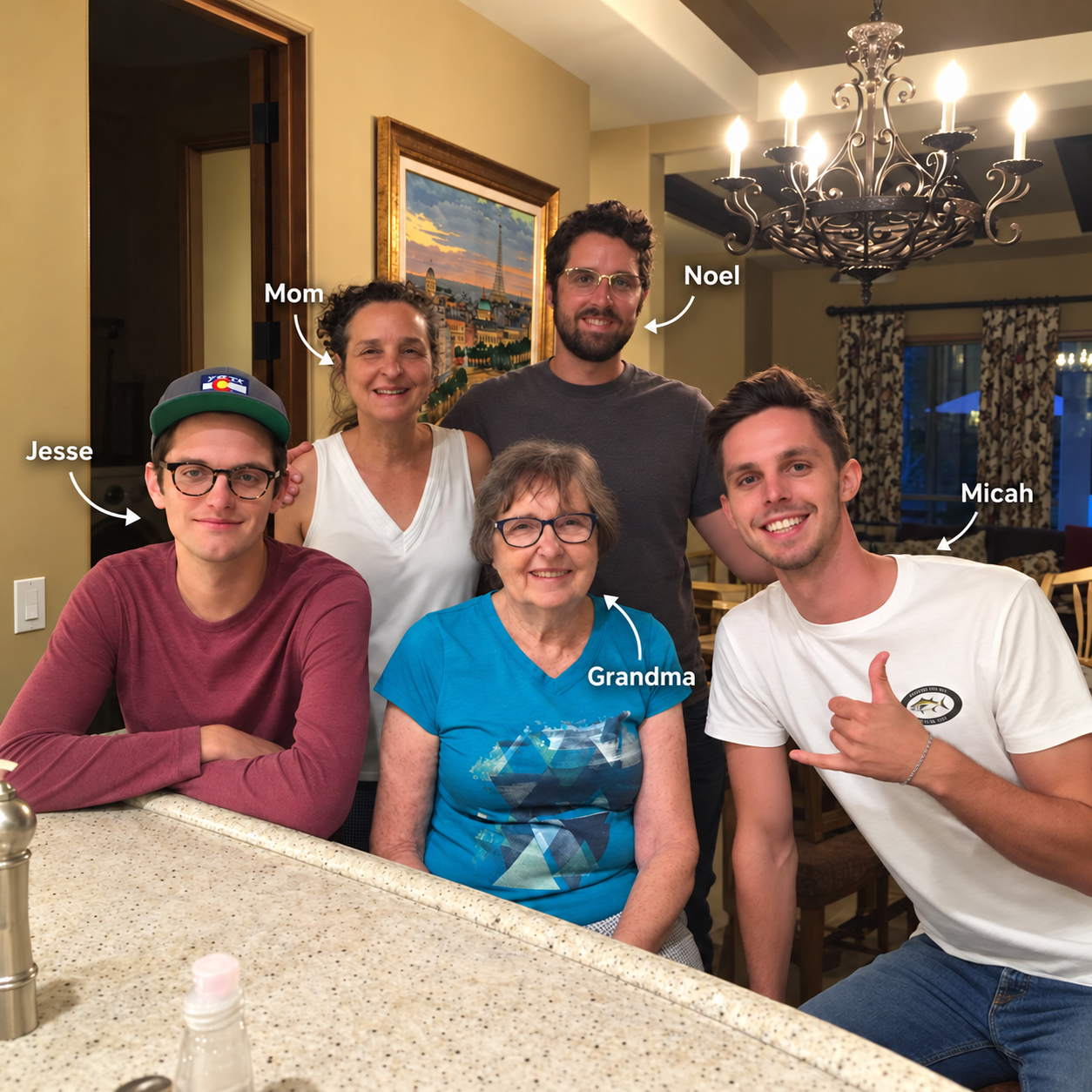
Both my brothers have been through the program. My dad has. The only one left is my mom.
Which is funny, because she's the reason any of us knew Dr. Nedley existed. Years ago she was sitting in Dr. Nedley's lectures at camp meeting, buying brain bars for my brother Noel when he started fighting depression and bipolar disorder, trying to bring these principles into a house she was holding up by herself. None of us were listening.
The three of us are saving up to send her. Not because she's broken. Because she spent her whole life building a life for us, and we'd like her to have one for herself.
I'd like her to walk outside one day and notice life looks a little different.
A hot and cold shower. A walk. Fully plant-based, heavy on walnuts, flax, pumpkin seeds, and tofu. Saffron and SAM-e, after hearing Dr. Nedley lecture on both. The B12 the program prescribed me. Creatine, for the muscles and, it turns out, the brain. Mood, Brain, and Calm when anxiety spikes, all from shop.nedleyhealth.com. And the daily CBT work, which I've gotten lazy on and am admitting in print so you can hold me to it.
If you or someone you love is thinking about suicide, call or text 988 to reach the Suicide and Crisis Lifeline, available 24 hours a day in the United States. You don't have to be at the edge to call.
This is one person's experience; individual results vary. Talk with your healthcare provider before starting any supplement. These statements have not been evaluated by the Food and Drug Administration. This product is not intended to diagnose, treat, cure, or prevent any disease.